)
)
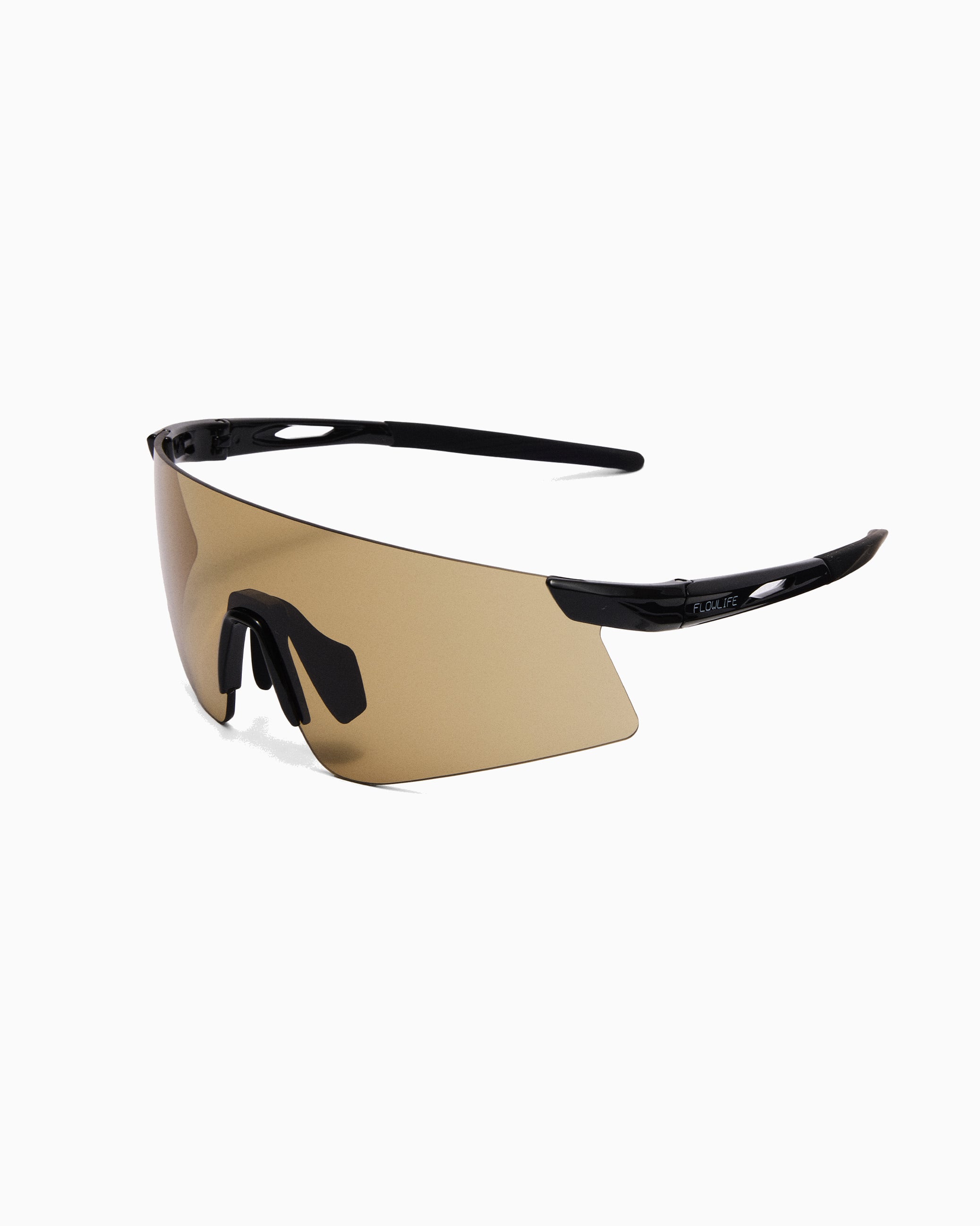
Flowglasses Sport Sync 01
Light Filtering GlassesNew
119 EUR


399 EUR
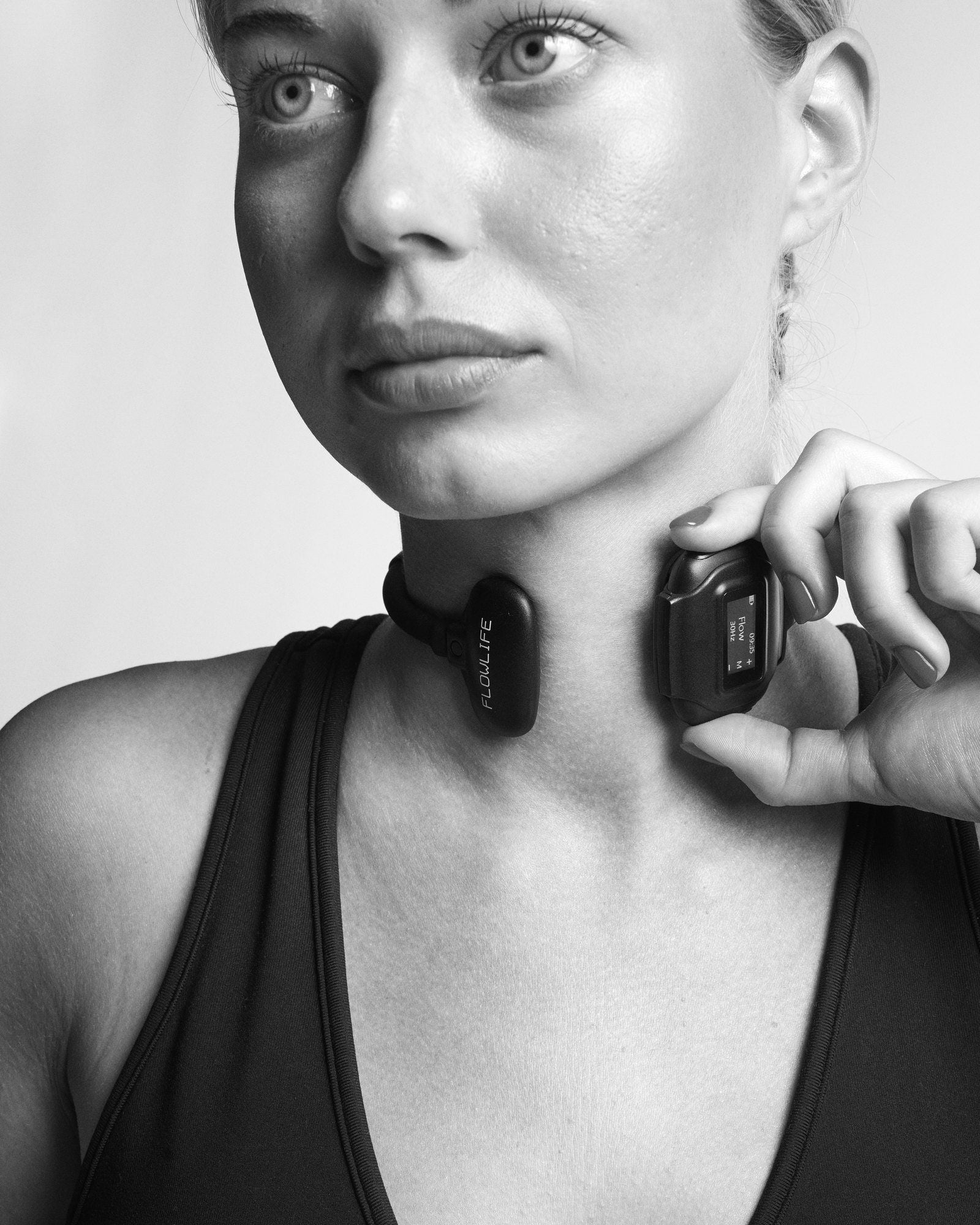
Lightweight vagus nerve stimulator with six frequency modes. Ten minutes at the neck for calm, sleep and recovery.
Please enable JavaScript to purchase this product
)
)
)
The vagus nerve runs from the brainstem, down through the neck and into the chest and abdomen. It is the main pathway of the parasympathetic nervous system, the side that handles rest and recovery. The other side handles stress and action. Most days the second one gets far more use than the first.
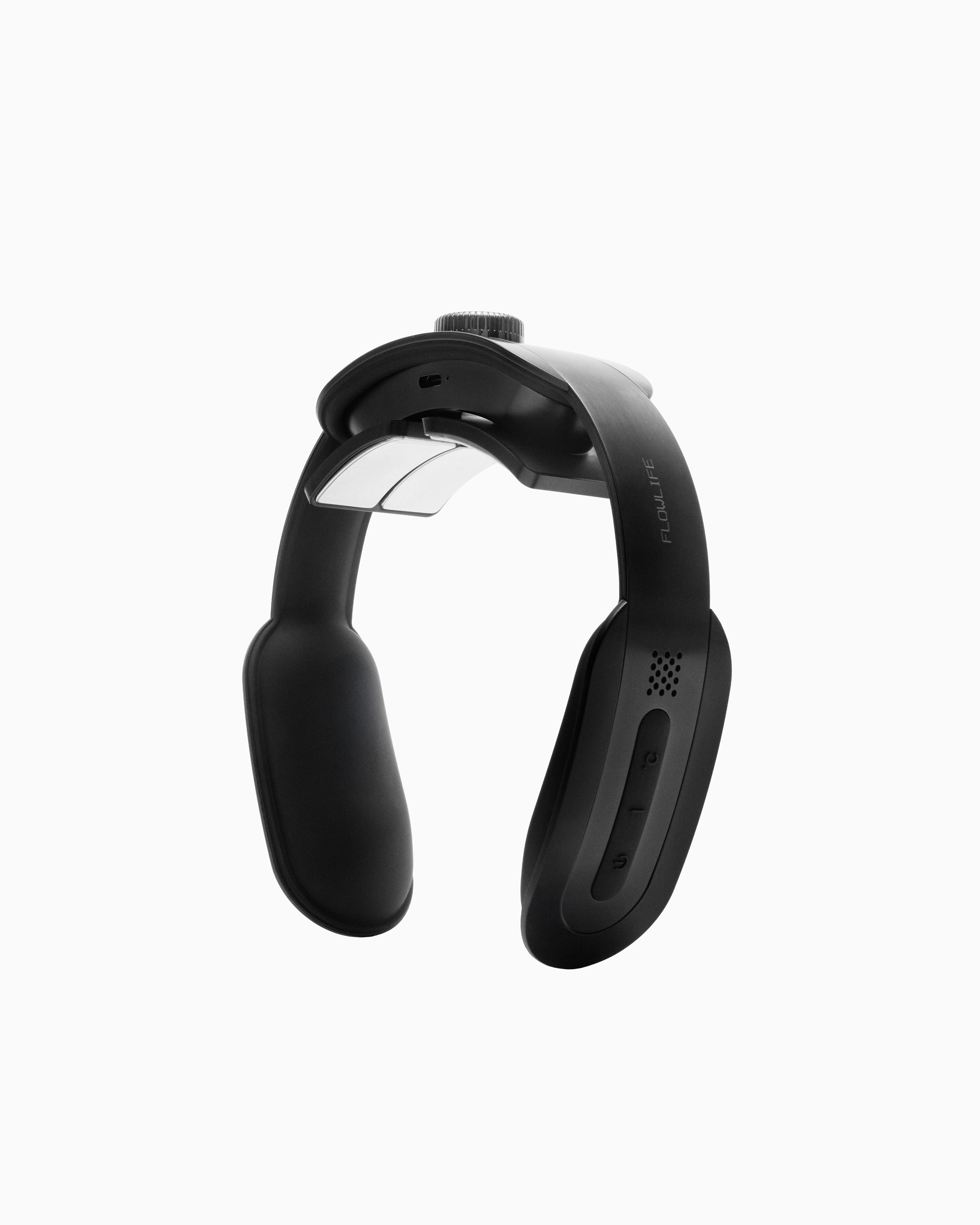
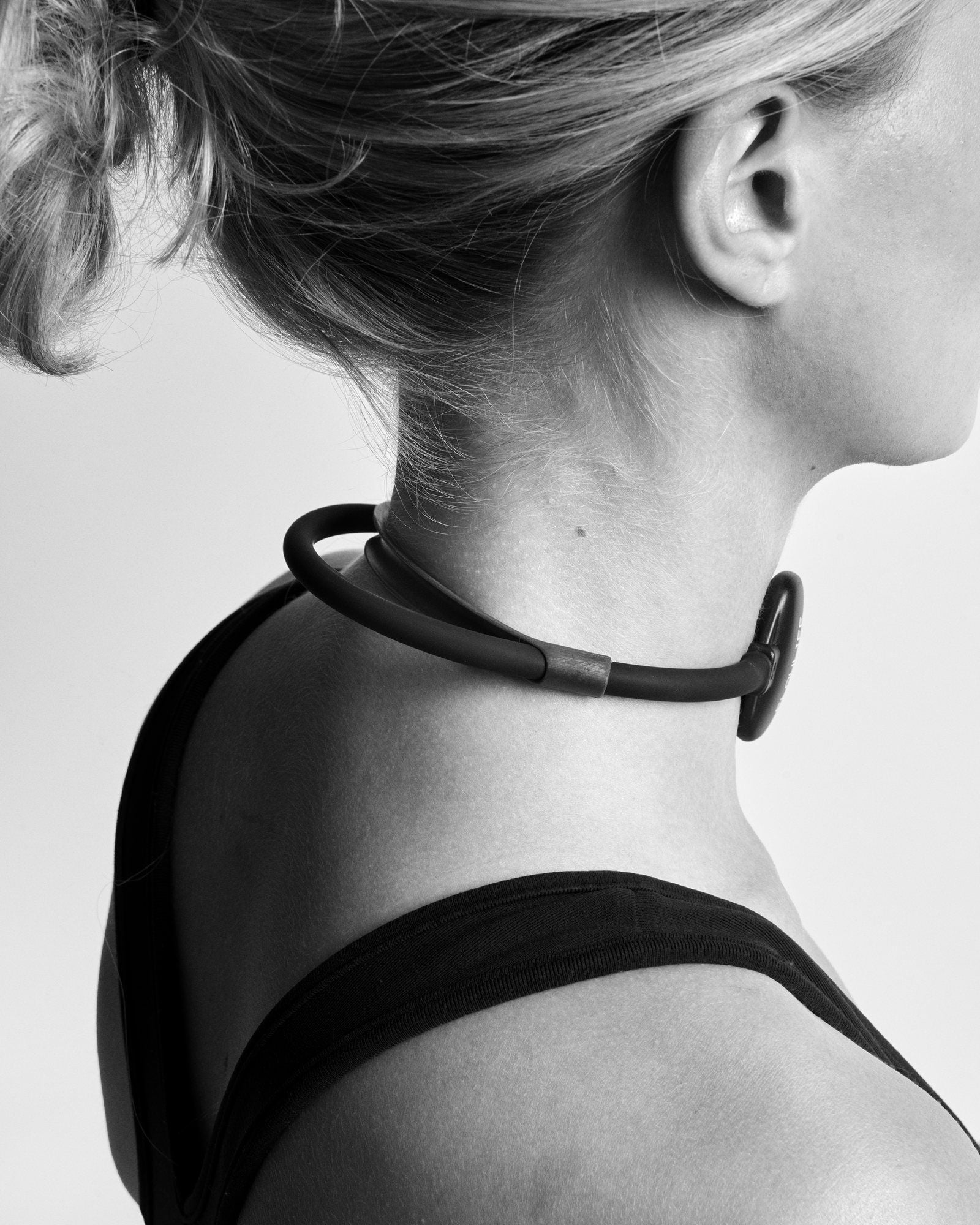
Flownerve Vagus sends gentle electrical pulses through the skin on both sides of the neck, where the nerve runs closest to the surface. The signal travels up to the brainstem and the body shifts toward its recovery state. Heart rate settles. Tension drops.
The sensation is a mild tingling at the contact points. That is all it feels like. The work happens underneath.
Different frequencies do different things to the nerve. Low frequencies push deeper into the recovery state. Mid frequencies hold a steady daily balance. High frequencies work on muscle tension in the neck.
That is why there are six modes instead of one dial. Sleep at 5 Hz for the evening. Recovery at 10 Hz for the window straight after training. Prime at 25 Hz before physical demand. Flow at 30 Hz as the everyday setting. Focus at 40 Hz before something that needs a clear head. Ease at 100 Hz for neck tension at the end of the day.
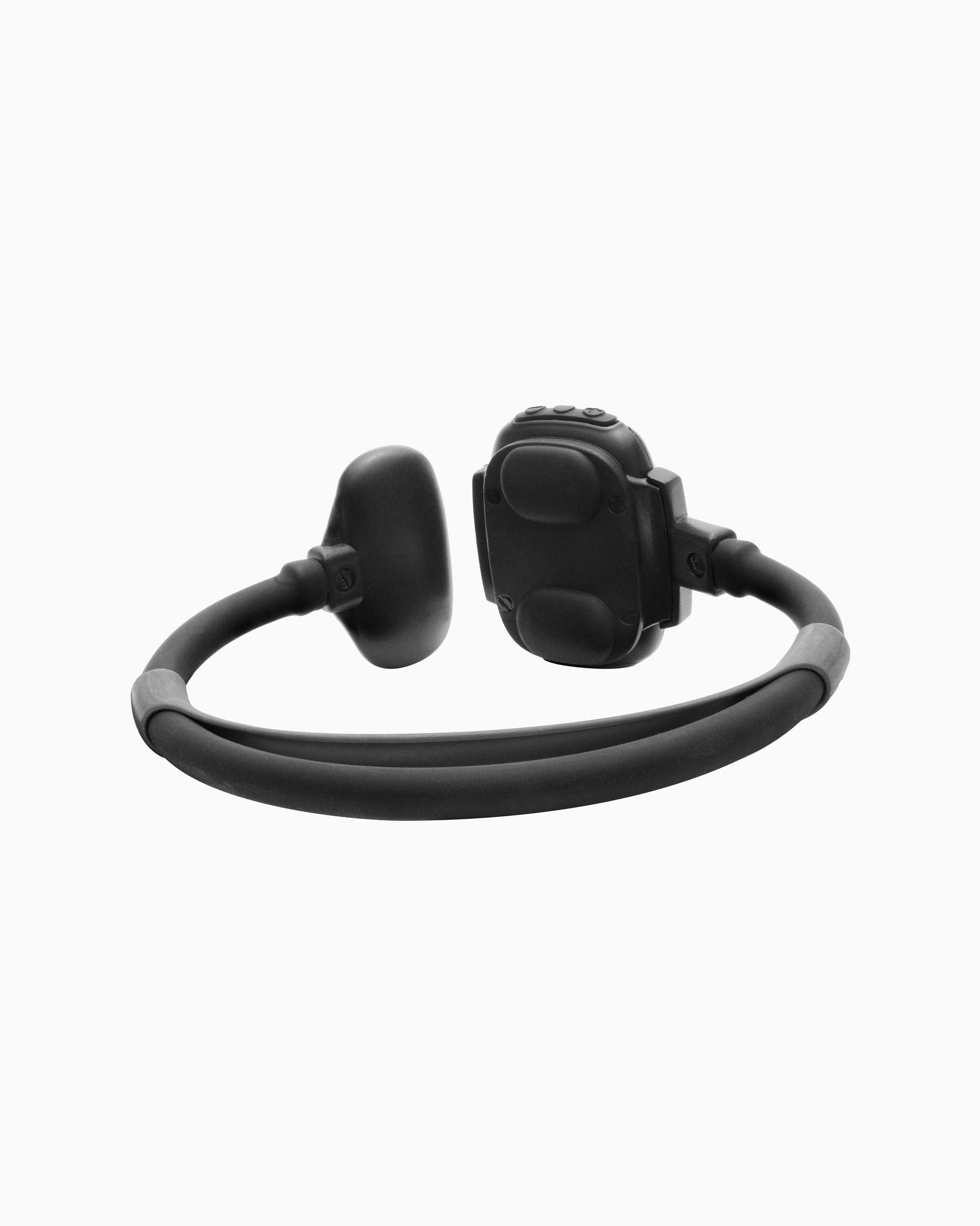
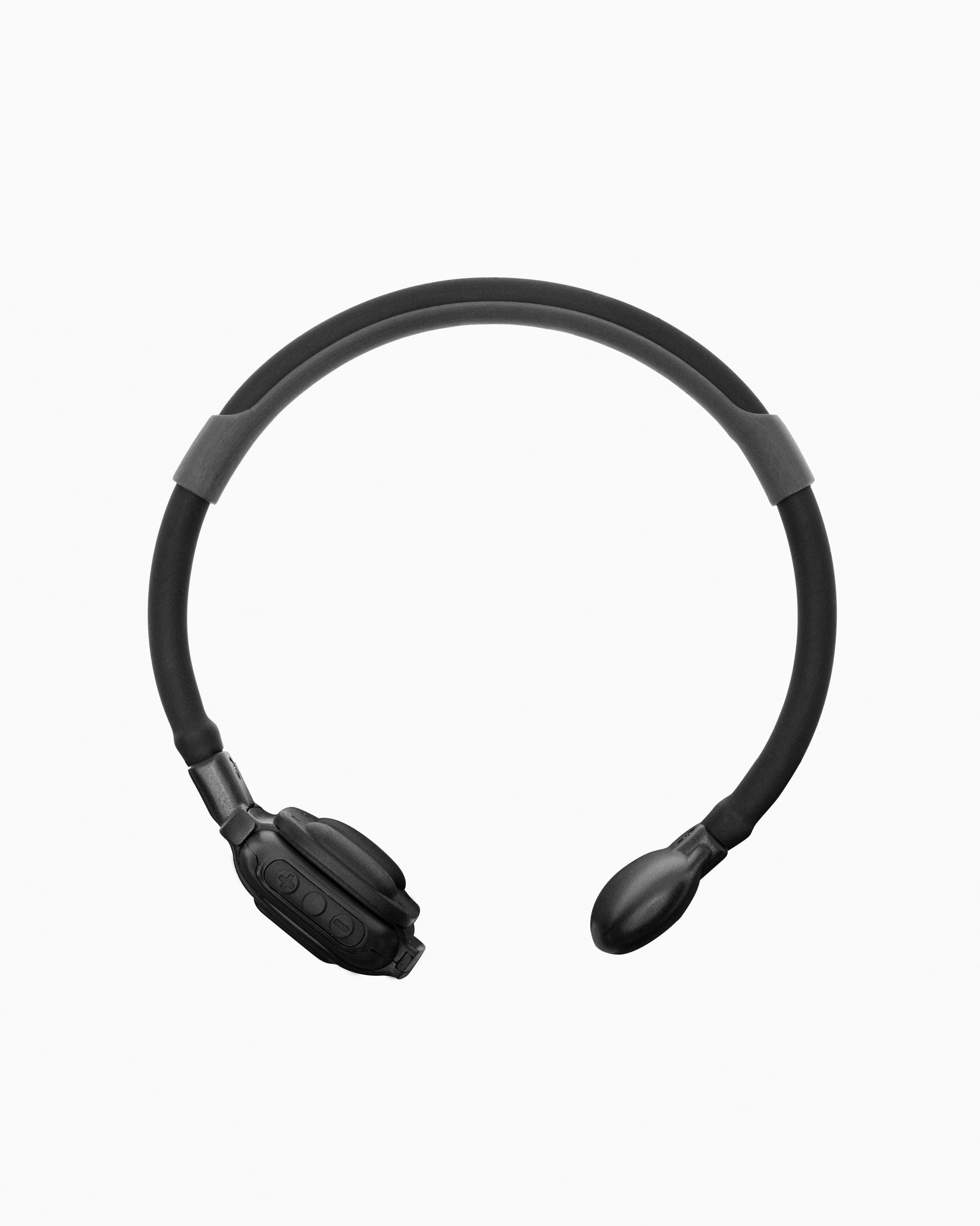
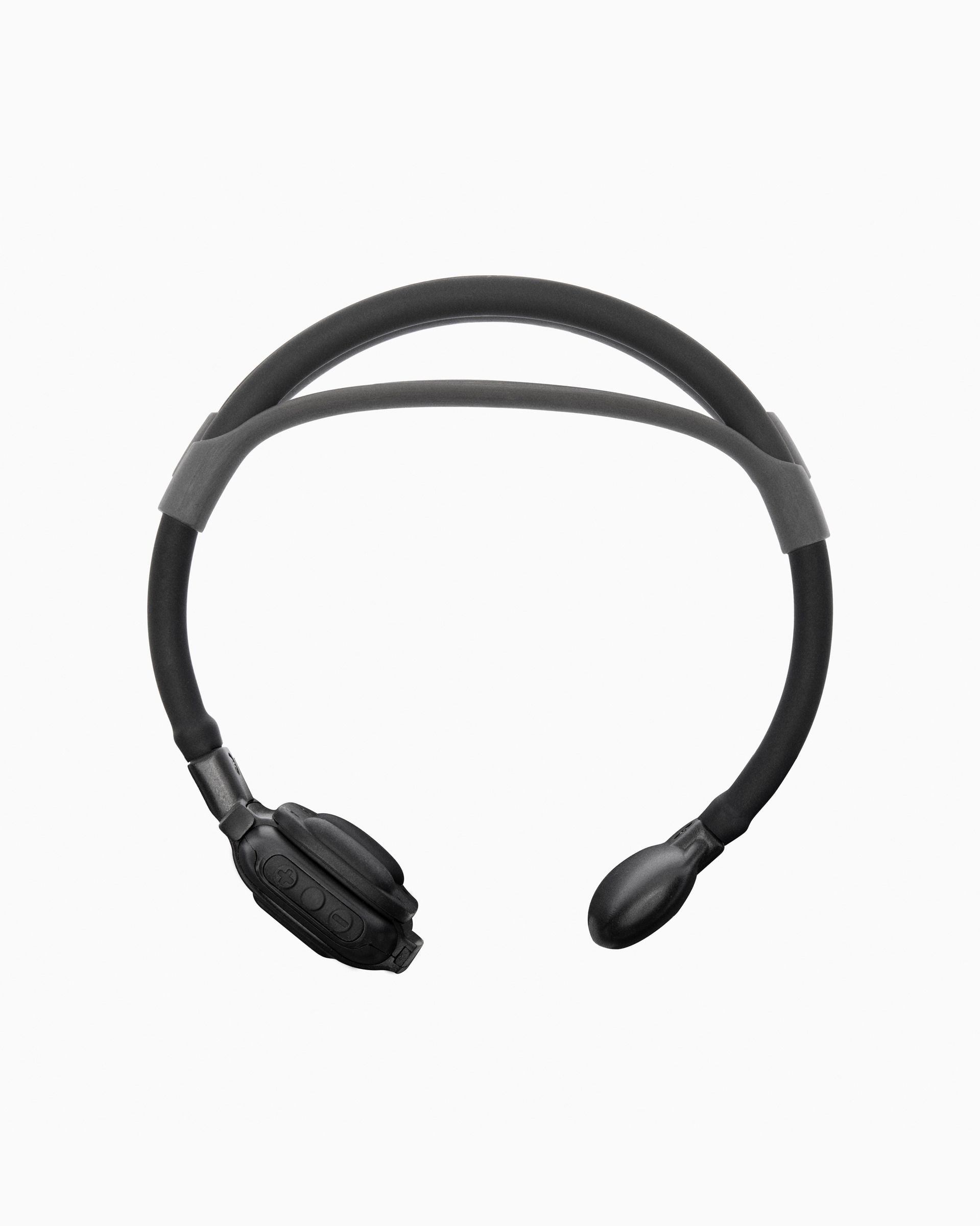
Mode and intensity are set with two buttons on the device. No app, no phone, no account.
One long session does less than three short ones. The vagus nerve responds to a repeated signal, and each session builds on the last. Three to five times a week is where the change becomes noticeable.
Most people feel something during the first session, usually a drop in mental noise or a sense of settling. The larger shift, in how quickly the body comes down after stress and how easily sleep arrives, takes two to four weeks.
Sessions run four to twenty minutes. Short enough to fit at a desk, in a changing room, or in bed before lights out.
)
The vagus nerve runs along both sides of the neck. Two contact points reach it on both at once, instead of working half the path.
The vagus nerve runs along both sides of the neck. Two contact points reach it on both at once, instead of working half the path.