)
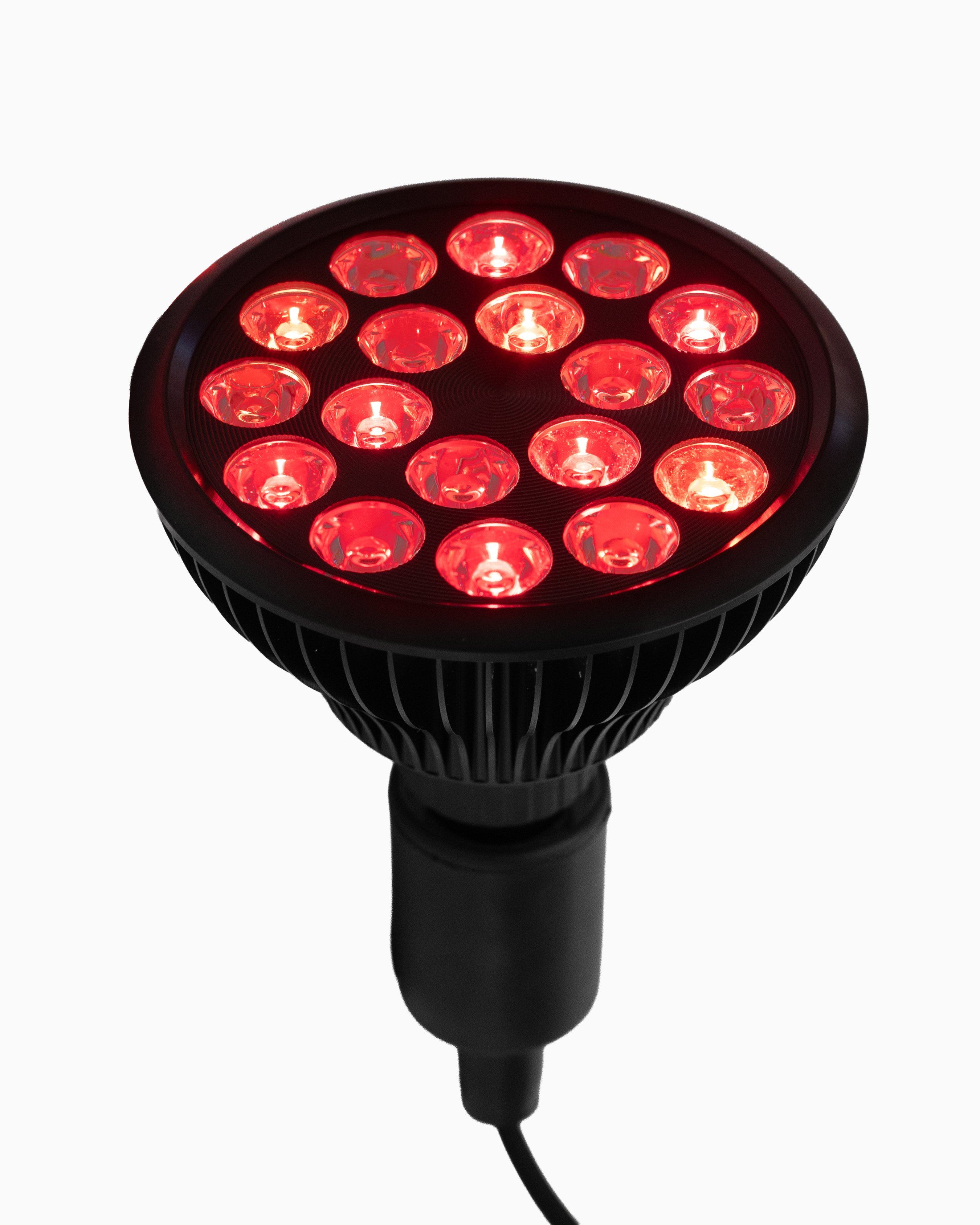
Flowlight Bulb 50 Six Waves
Red LightNew in
119 GBP
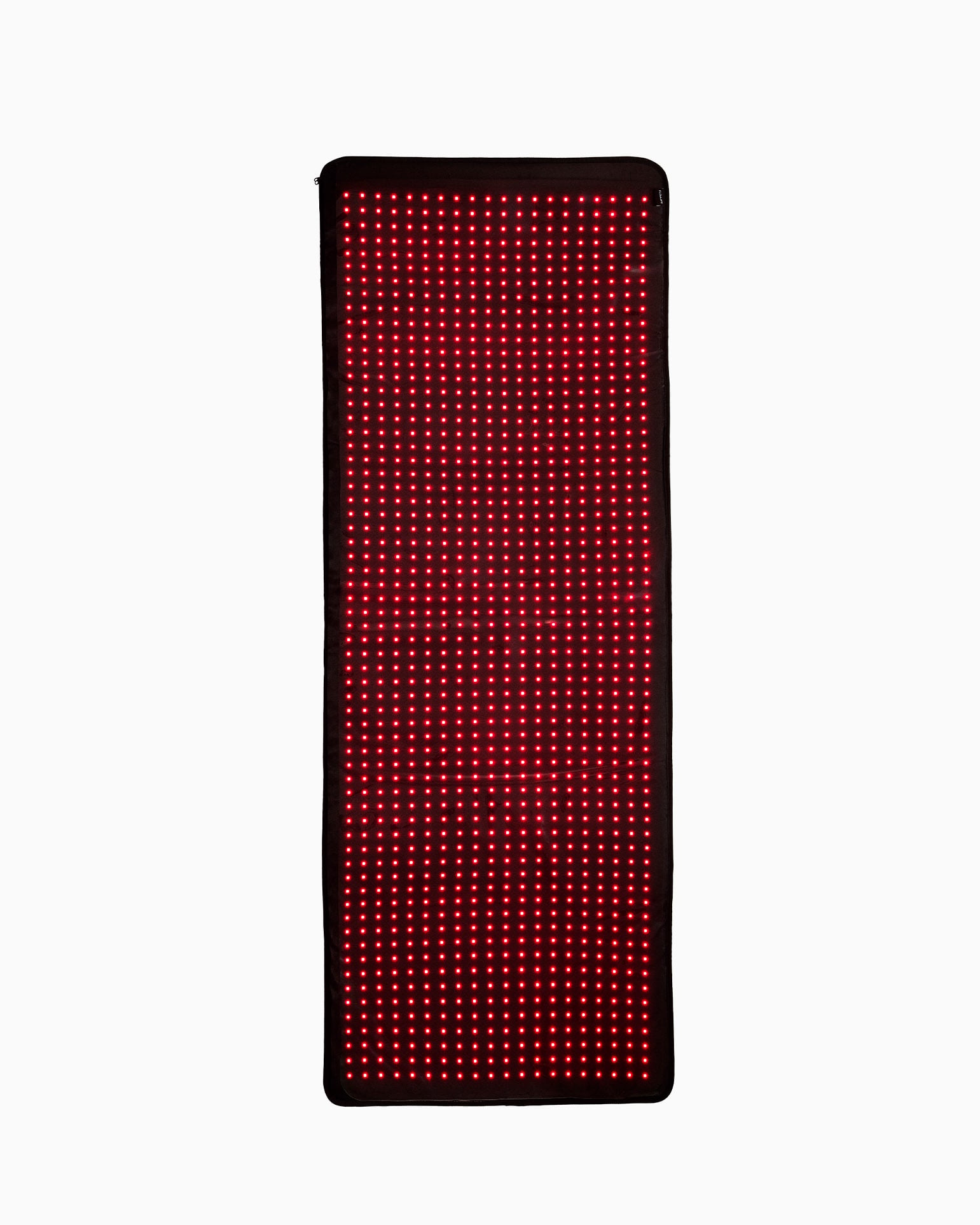
Flowlight LED Mat 1300 Two Waves
1 099 GBP
1 099 GBP
Flexible red and near-infrared light therapy mat for the whole body. Built for circulation, recovery, and a calmer, more energised everyday.
1 099 GBP
2 198 GBP1 798 GBP
Please enable JavaScript to buy this product
)
)
Large areas like the back and hips store tension and recover unevenly after loading. Rest reduces effort but does not equalise tissue exposure to light or blood flow. Panel devices cover small zones and require repositioning across curved anatomy. Contact breaks and distance varies, so dosage becomes inconsistent and outcomes are limited.
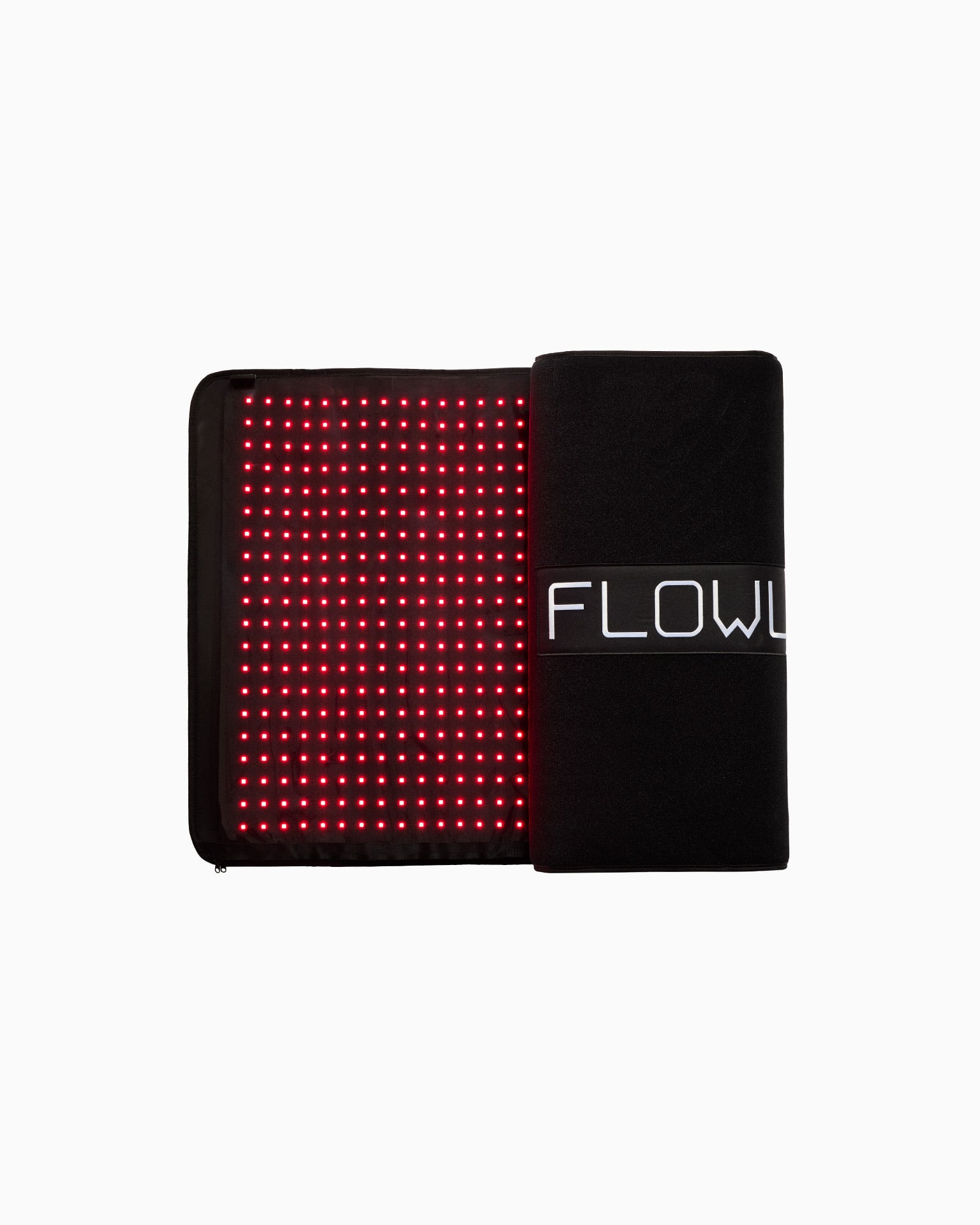
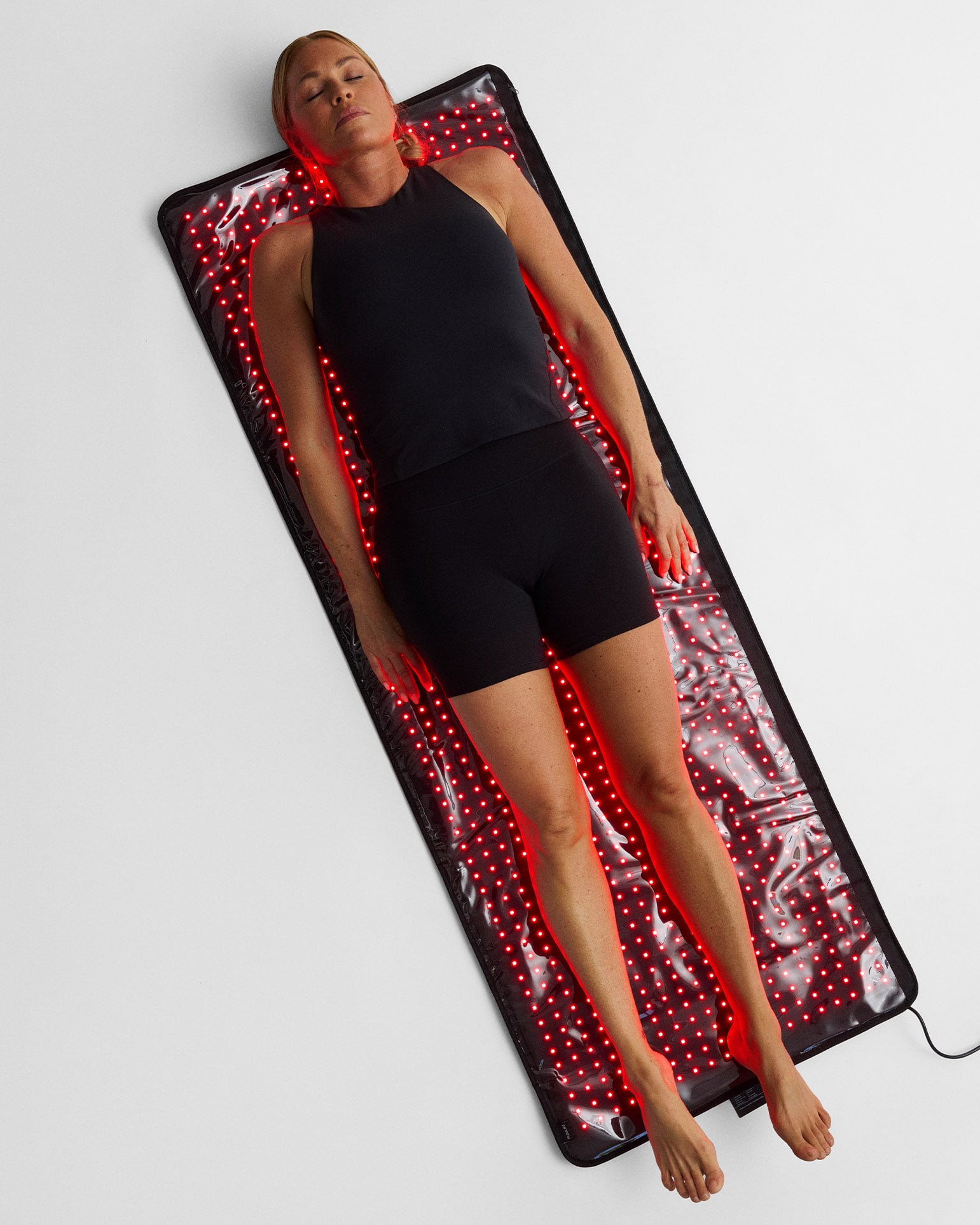
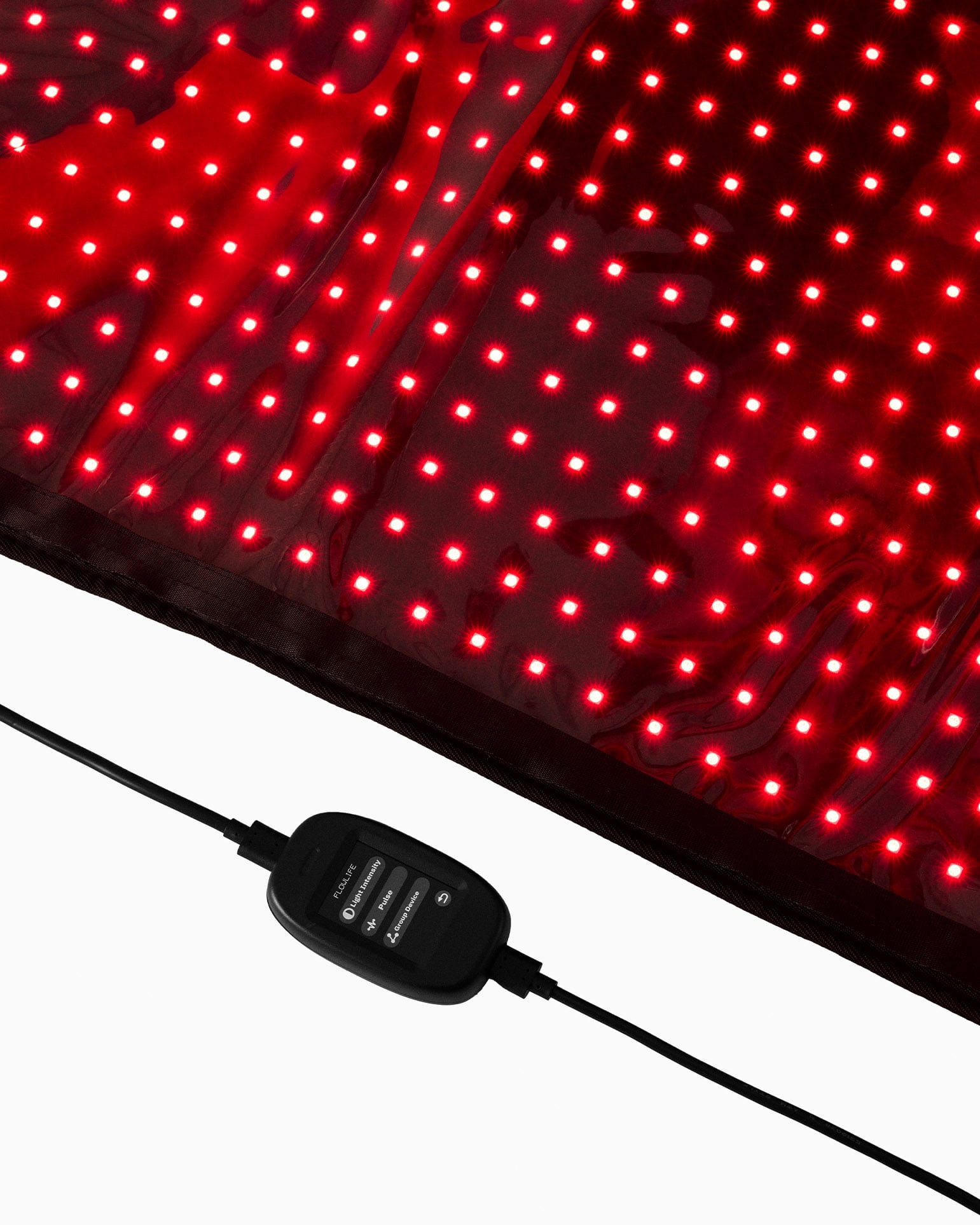
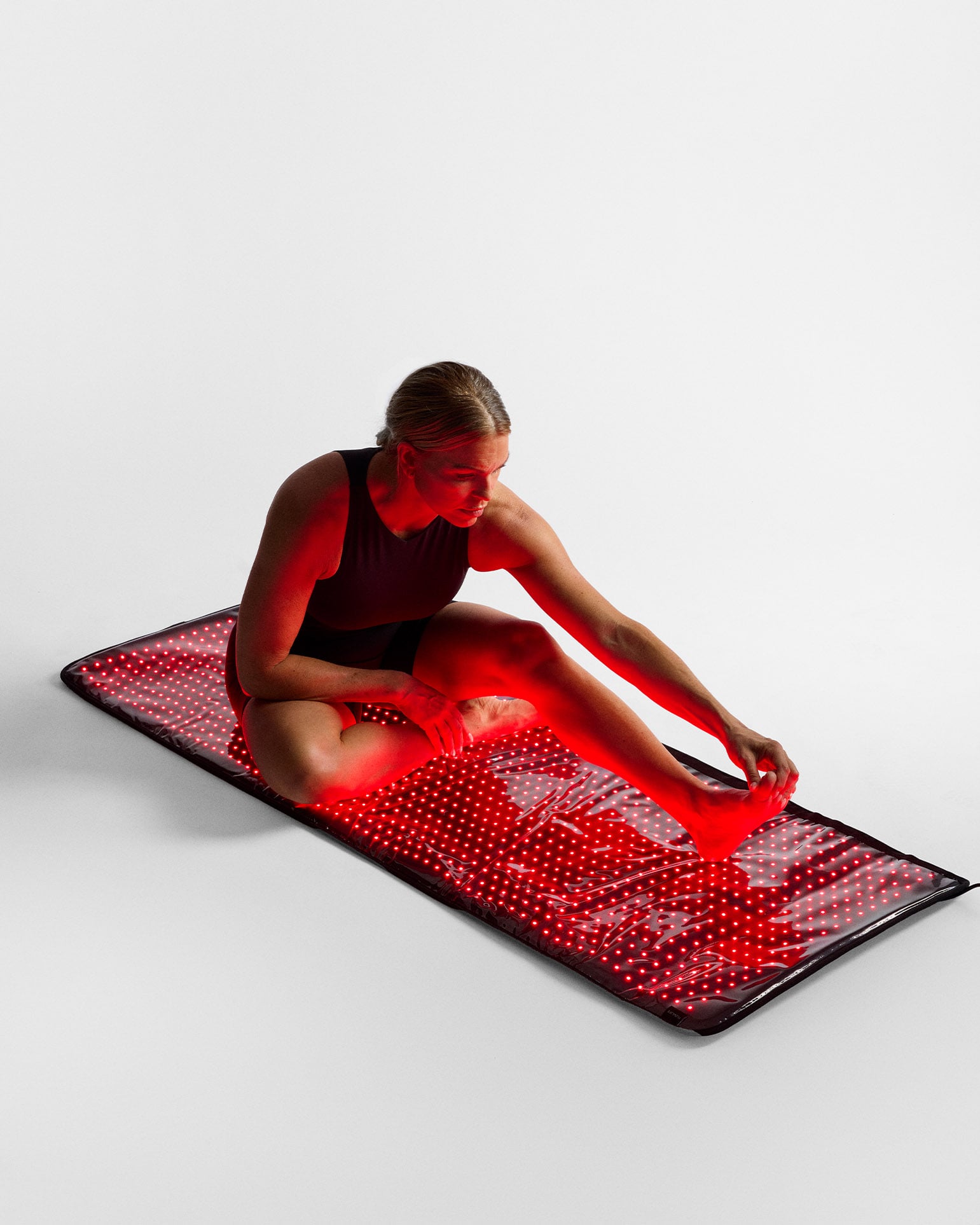
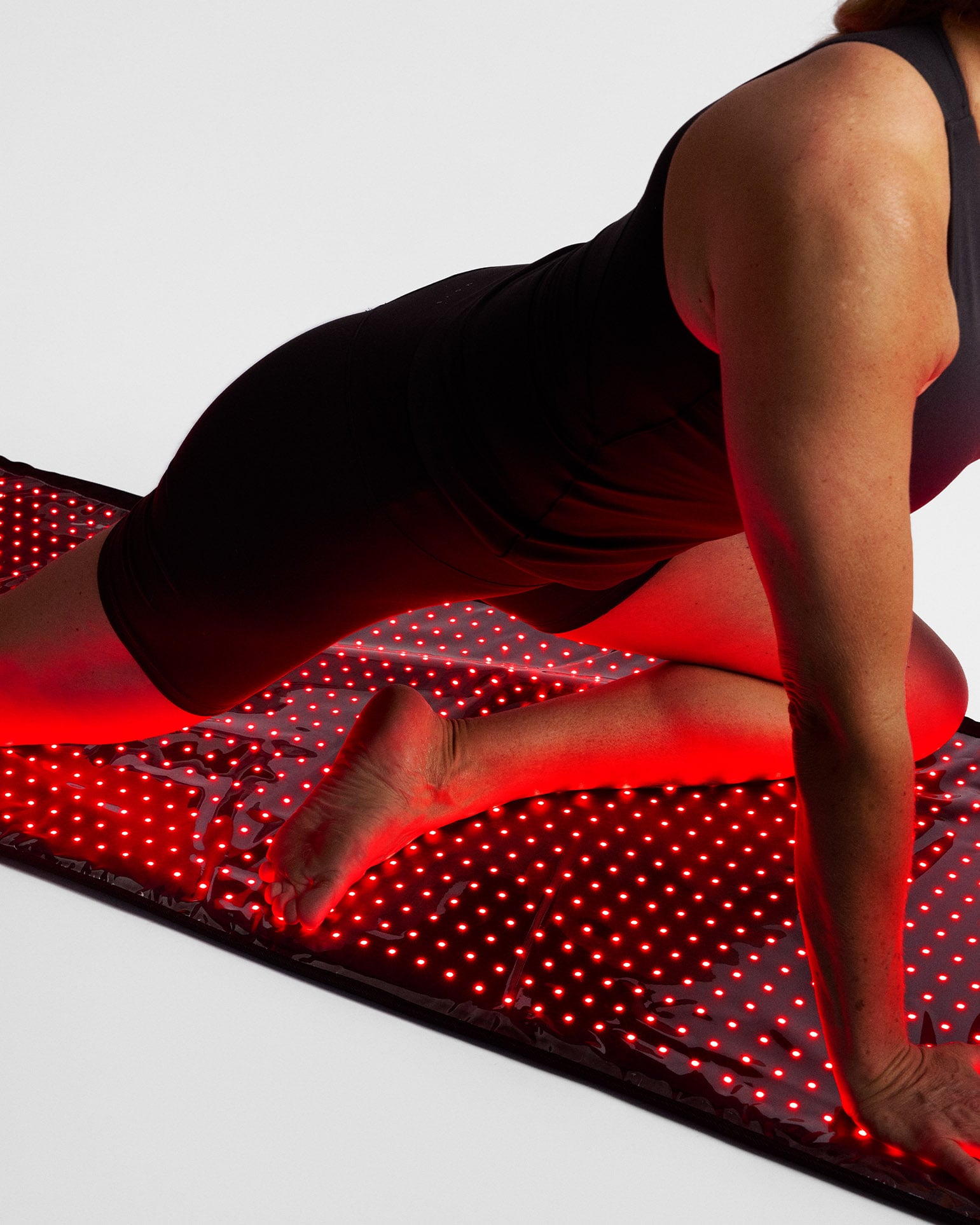
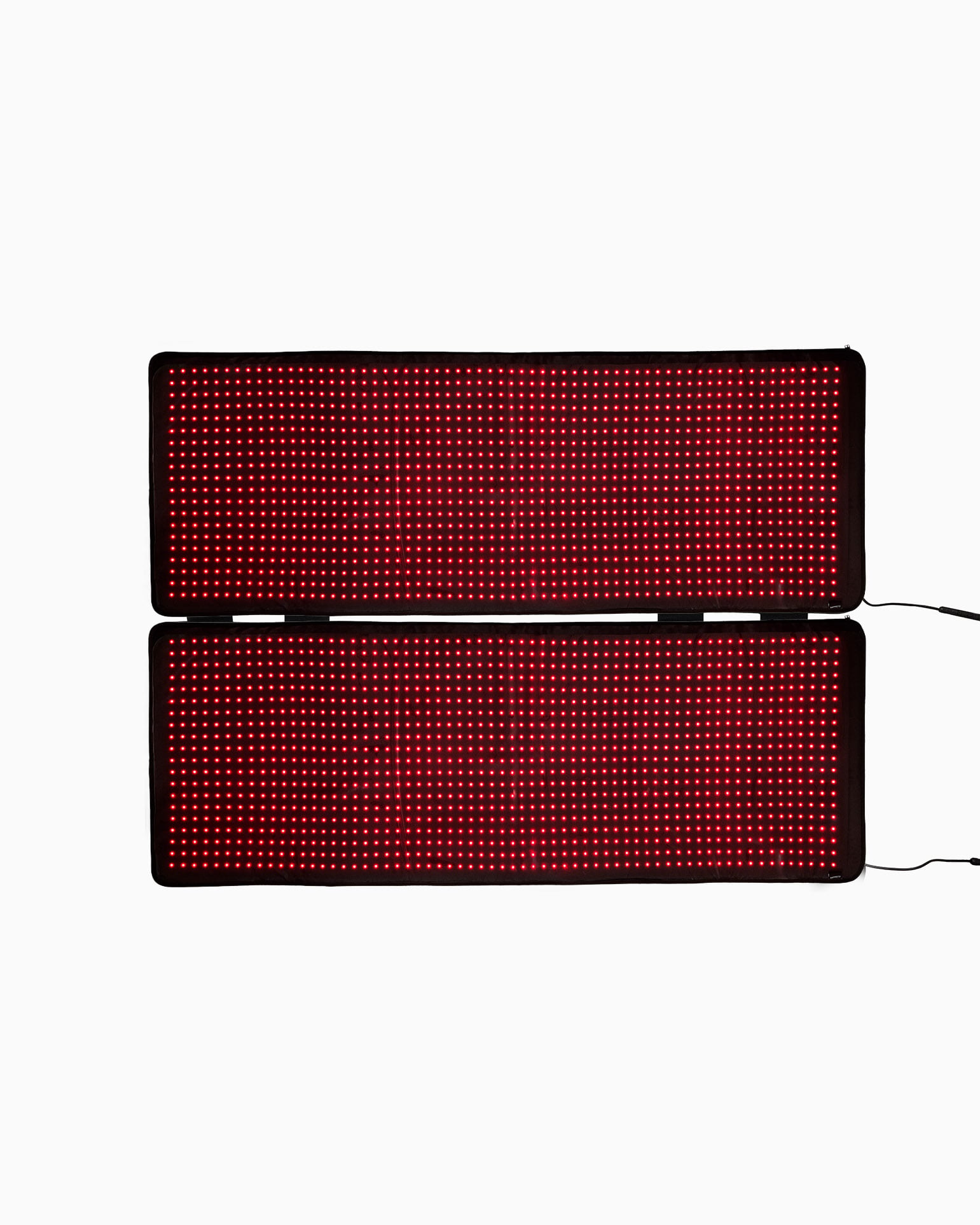
Flowlight LED Mat 1300 Two Waves was built to remove these variables. A flexible body conforms to the spine, pelvis and thighs to maintain contact. A dense grid of 1300 LEDs delivers two wavelengths across the entire surface. Even spacing controls distance to the skin and spreads light without gaps. You lie still while the mat maintains uniform exposure over the target area.
Consistent photons reach both superficial and deeper tissue within the treatment zone. Cellular chromophores absorb the light and increase ATP availability for repair. Local vasodilation supports microcirculation and oxygen delivery to working tissue. Regular sessions may help reduce stiffness and restore tissue pliability. This supports readiness for daily movement between training days.
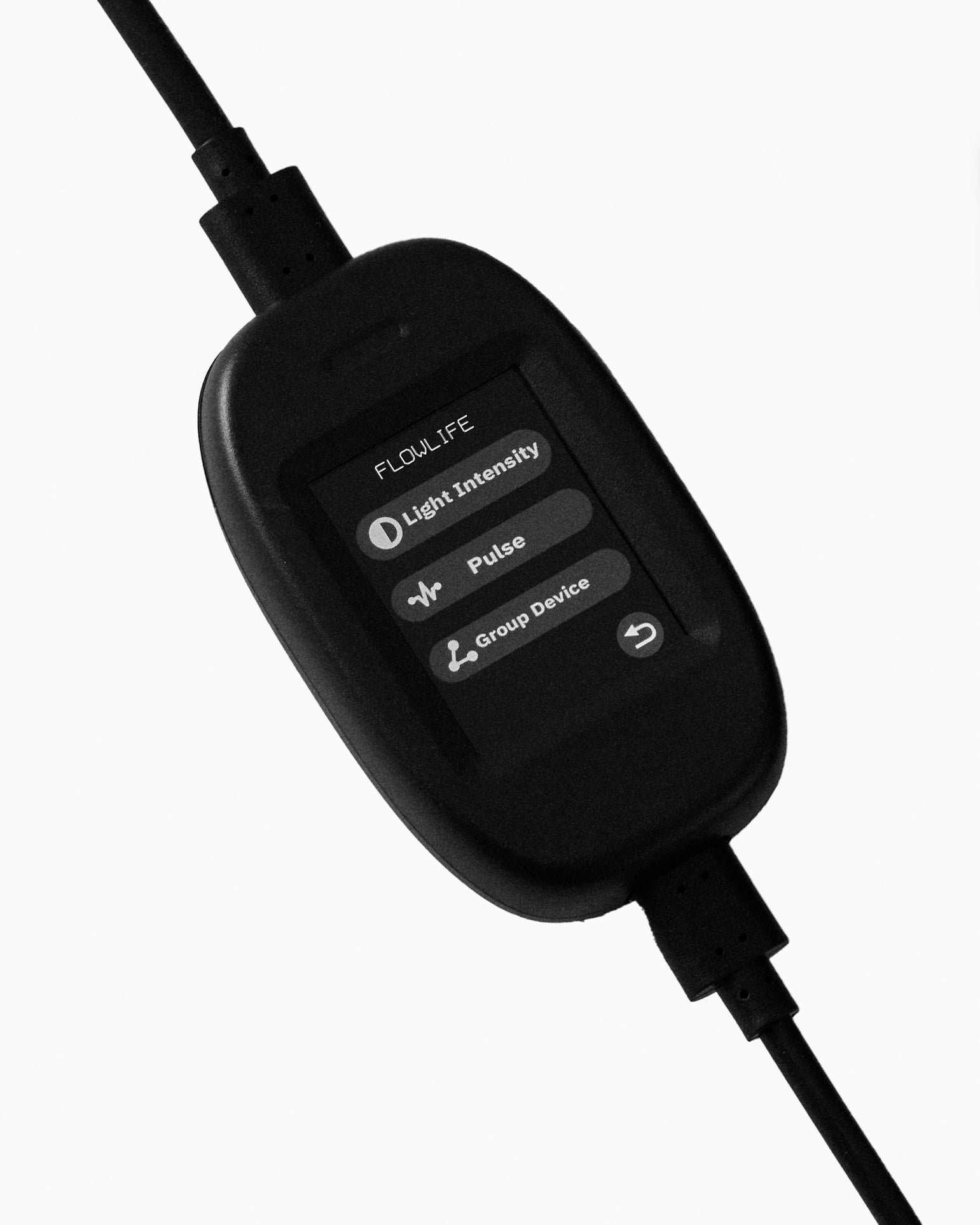
Precision is anchored in the dual wavelength array and the flexible layered construction. The low profile places the body close to the diodes for controlled irradiance. Simple timing makes 10 to 30 minute sessions easy to repeat through the week. The result is steady recovery support achieved in stillness.
When training load, prolonged sitting, and shallow rest accumulate, cells operate with reduced energy. ATP availability falls and repair slows. Muscles hold tone to protect irritated tissue. The result is movement that feels restricted and recovery that does not progress between days.
Flowlight LED Mat 1300 Two Waves introduces a controlled photobiomodulation stimulus across the entire contact area. Red light interacts with superficial tissue where capillary networks and skin cells respond quickly. Near-infrared light reaches deeper layers, including muscle and fascia. Photons are absorbed by cellular chromophores, primarily within mitochondria. Electron transport becomes more efficient and ATP production increases. Nitric oxide releases from binding sites, allowing local vasodilation. Inflammatory signalling is modulated towards resolution rather than persistence.
The biological result is a system with more energy available for maintenance and repair. Muscles relax more readily when demand ends. Connective tissue becomes more pliable as temperature and circulation improve. In skin, fibroblast activity supports collagen synthesis and tissue resilience. With repeated sessions, stiffness eases and range of movement becomes easier to restore between training days.
The response remains consistent because the mat maintains dose and contact. A dense array of 1300 LEDs distributes two wavelengths evenly over large areas such as the back, hips, and thighs. The flexible construction drapes to keep surface contact on flat and curved regions. Lying down reduces movement and muscular effort, allowing a calm session of 10 to 30 minutes. Regular use builds a steady recovery rhythm the body can sustain.
Inconsistent recovery leaves tissue in an energy deficit. Stiffness accumulates between sessions and movement patterns compensate. Microcirculation slows, nutrient delivery drops, and waste products linger. Fascia loses glide, muscle tone stays elevated, and joints feel restricted. Rest alone often does not restore these processes to baseline.
Regular photobiomodulation supplies a repeatable stimulus at the cellular level. Red and near infrared light are absorbed by chromophores that regulate mitochondrial output. ATP availability rises and nitric oxide release improves local blood flow. This supports oxygen delivery and fluid exchange while moderating inflammatory activity in muscle and connective tissue. Fibroblast activity is guided toward orderly collagen renewal.
With consistent sessions the tissue environment stabilises. Baseline stiffness reduces and flexibility returns in the back and hips. Muscles relax more completely after training and daily loading. Skin and superficial fascia regain elasticity. Over weeks this produces a durable change in how the body recovers, keeping movement smooth and discomfort lower between demanding days.
The design enables that consistency. The flexible mat drapes to maintain contact across flat and curved regions. A dense, full-surface LED array delivers even exposure without hot spots. Two wavelengths cover both surface and deeper targets in the same session. Sessions are passive, calm, and easy to schedule at home. Ten to thirty minutes, several days per week, give a stable, repeatable dose. Flowlight LED Mat 1300 Two Waves turns recovery into a routine the body can adapt to.
)
Two wavelengths are distributed across a flexible mat that drapes to maintain contact on flat and curved areas. Wide footprint reduces repositioning.
Two wavelengths are distributed across a flexible mat that drapes to maintain contact on flat and curved areas. Wide footprint reduces repositioning.
)
"Red Light Therapy is really good for healing because it'll work on the mitochondrial level, producing a lot more energy and assisting the fibroblasts by reproducing those cells which are needed in order to recover the area post-exercise." - Scott Webster
The Therapist
"Red Light Therapy is really good for healing because it'll work on the mitochondrial level, producing a lot more energy and assisting the fibroblasts by reproducing those cells which are needed in order to recover the area post-exercise." - Scott Webster